

Common Signs of Roof Damage in Indianapolis Homes
Kiel Sherwood
The most common signs of roof damage are missing or curling shingles, shingle granules collecting in gutters, ceiling stains, and moisture in the attic. Any one of these issues can signal that your...
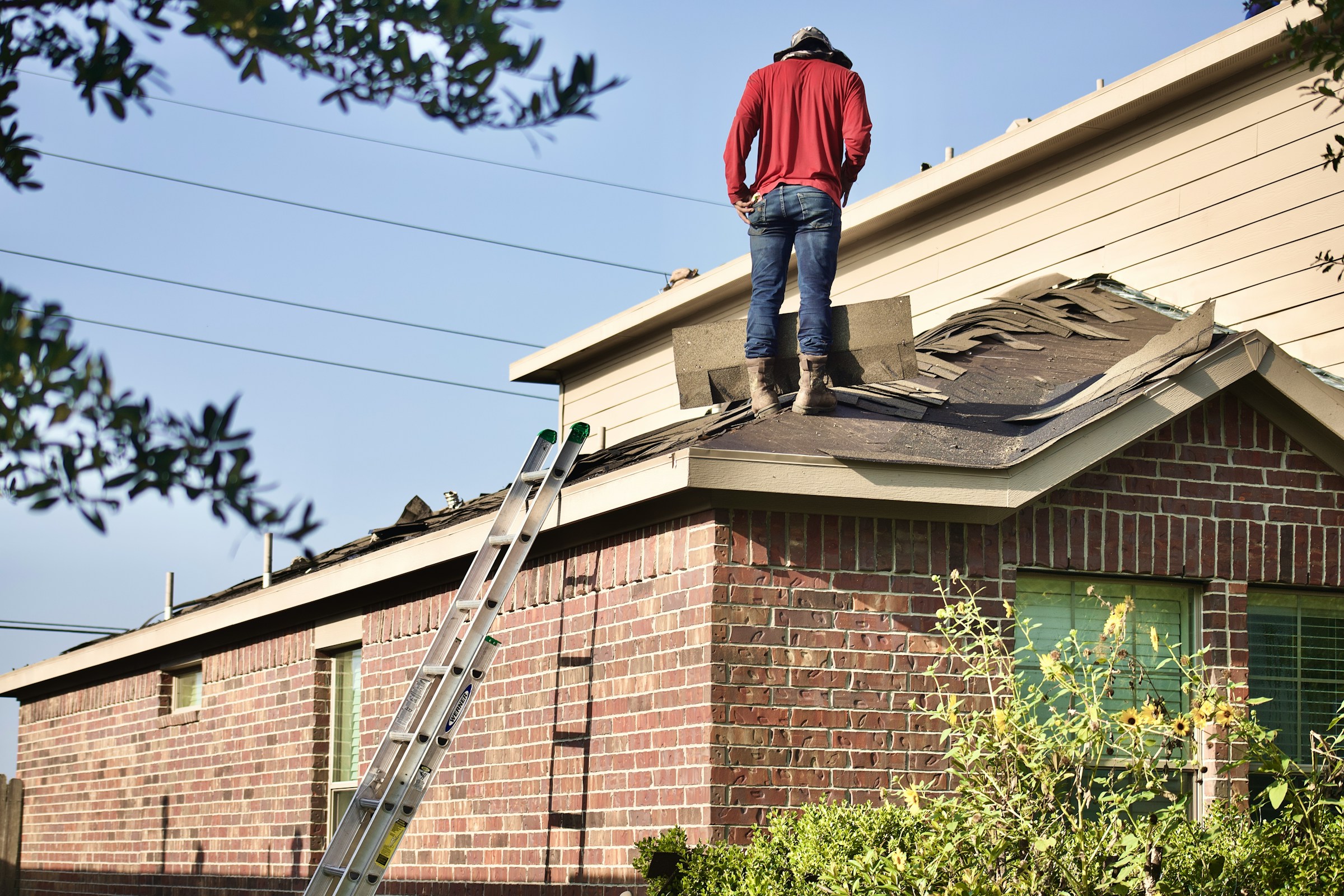
The most common signs of roof damage are missing or curling shingles, shingle granules collecting in gutters, ceiling stains, and moisture in the attic. Any one of these issues can signal that your roof needs attention, while several appearing together can point to a larger problem. For homeowners in Indianapolis, IN, acting early can help prevent a manageable repair from turning into water damage inside the home.
Ultra Dry Roofing helps homeowners throughout Indianapolis and the surrounding metro get clear answers about their roofs. A professional inspection can identify the source of damage, explain the urgency, and determine whether a focused repair is enough.
Why Roof Damage Can Be Easy to Miss
Your roof is exposed to the elements every day, but much of its condition is difficult to see from the ground. Central Indiana weather can bring heavy rain, wind, hail, ice, snow, and dramatic temperature changes throughout the year. Those conditions can wear down shingles and flashing over time, or cause sudden damage during a storm.
Some roof problems are obvious, such as shingles scattered across the yard after high winds. Others begin quietly: a few missing granules, a small opening around a vent, or a little moisture in the attic. The sooner these warning signs are evaluated, the better the chance of limiting damage to a smaller section of the roofing system.
If you notice a change after a storm—or simply are unsure about an aging roof—schedule a professional Roof Inspection. Ultra Dry Roofing provides straightforward recommendations for Indianapolis homeowners, without treating every concern as an automatic replacement.
Shingle Granule Loss
Asphalt shingles have a protective outer layer of mineral granules. These granules help shield the shingle from sunlight and weather exposure, while also giving the roof its finished color and texture. It is normal to see a small amount of granules after a new roof is installed, but noticeable or ongoing granule loss is worth investigating.
Look in gutters, downspouts, and at the bottom of downspout extensions for coarse, sand-like debris. You may also see dark or bare-looking patches on shingles where granules have worn away. Granule loss can happen as shingles age, but hail, severe weather, and general wear may speed up the process.
When should you call a professional? If you find a heavy accumulation of granules, see uneven bald spots across the roof, or notice the issue following a hailstorm, it is time for an inspection. A roofer can determine whether the damage is isolated, storm-related, or a sign that the roof is approaching the end of its useful life.
Curling, Cracked, or Missing Shingles
Shingles should lie flat and overlap in an orderly pattern. When they begin to curl upward at the edges, cup in the middle, crack, loosen, or go missing, the roof may no longer be shedding water as reliably as it should. These conditions leave vulnerable areas exposed to wind-driven rain and can worsen quickly in severe weather.
Missing shingles are especially important to address promptly. Even if only a small section appears affected, the exposed area below can allow moisture into the roof system. Curling and cracking often occur on older roofs, but they can also be influenced by poor ventilation, heat buildup, or repeated weather exposure.
A few damaged shingles on an otherwise sound roof may be a good candidate for a targeted Roof Repair. If shingles are curling or deteriorating across several areas, however, repairs may only be a short-term solution. Ultra Dry Roofing can assess the overall condition and help homeowners in Indianapolis, Carmel, Fishers, Noblesville, and nearby communities understand the most sensible next step.
Ceiling Stains and Interior Water Marks
Yellow, brown, or gray stains on a ceiling or wall are among the most recognizable signs of a possible roof leak. They may appear after a heavy rain, grow gradually over time, or become more noticeable as paint begins to peel or drywall softens.
Do not assume the location of the stain is the exact location of the leak. Water can travel along roof decking, framing, insulation, wiring, or pipes before it reaches your ceiling. That is why applying caulk or patching the most obvious spot without finding the source can leave the real problem unresolved.
Ceiling stains warrant a professional inspection as soon as possible, especially if they are damp, spreading, bubbling, or appearing after storms. Prompt evaluation can help prevent damage to insulation, drywall, framing, and personal belongings. If water is actively entering the home, move valuables out of the area and contact a qualified roofing professional quickly.
Attic Moisture, Mold, and Musty Odors
Your attic often reveals roofing issues before they become visible in living spaces. During a safe visual check, watch for damp insulation, dark stains on roof decking, wet rafters, rusted nails, mold-like growth, or a persistent musty odor. Daylight visible through the roof deck is another reason to arrange an inspection promptly.
Attic moisture can result from a roof leak, but it can also be connected to inadequate ventilation or condensation. These issues require careful evaluation because they can affect the roof system differently. Moisture that is not addressed can contribute to mold concerns, wood deterioration, reduced insulation performance, and premature shingle aging.
Any active attic moisture, visible staining, or suspected mold should be evaluated by a professional. Ultra Dry Roofing looks beyond the surface of the shingles to help identify whether water is entering through the roof, around flashing or penetrations, or as a result of ventilation-related conditions.
Damaged Flashing and Roof Penetrations
Not every roof problem begins with shingles. Flashing is the metal material installed around chimneys, skylights, vents, walls, and other transitions where water is more likely to enter. Pipe boots, vent covers, and seals around penetrations also need to remain intact.
Flashing that is rusted, bent, loose, separated, or improperly sealed can allow water beneath the roofing materials. Because these areas are harder to assess safely from the ground, homeowners should avoid climbing onto the roof. Instead, note any interior symptoms, such as a leak near a chimney or bathroom vent, and request an inspection.
When caught early, flashing problems are often repairable. Addressing them promptly can protect the surrounding shingles, decking, and interior of your Indianapolis home.
Sagging, Soft Spots, or an Uneven Roofline
A roofline should look straight and structurally sound. A dip, sag, or visibly uneven section may indicate a more serious issue beneath the shingles, such as damaged decking, prolonged moisture exposure, or structural concerns. Soft areas can also develop where water has compromised the materials below the roof surface.
This is not a wait-and-see issue. If you notice sagging or an unusual change in the roofline, schedule a professional inspection promptly. Do not walk on the roof or try to test a soft area yourself. A trained team can evaluate the condition safely and explain what repairs may be needed.
When to Schedule a Roof Inspection
It is wise to schedule an inspection after a major wind or hail event, when you notice interior water stains, or whenever shingles appear damaged from the ground. Homeowners with older roofs should also consider periodic inspections, particularly before storm season or after a harsh winter.
Even if there is no active leak, an inspection can provide useful peace of mind. Ultra Dry Roofing serves Indianapolis, IN, and surrounding communities with clear roof condition assessments and recommendations tailored to the actual condition of the home.
FAQ
Can roof damage cause problems even if my roof is not leaking?
Yes. Missing granules, damaged shingles, and loose flashing may not create an immediate indoor leak, but they can reduce the roof’s ability to protect the home during future storms. Early repairs can help prevent larger problems.
How often should Indianapolis homeowners inspect their roofs?
A visual check from the ground after severe weather is helpful. A professional inspection is also a good idea when a roof is aging, after a significant storm, or when you notice warning signs such as stains, shingle damage, or attic moisture.
Are granules in my gutters always a sign I need a new roof?
Not always. Small amounts can be normal, especially on newer shingles. Heavy or ongoing granule loss, bare patches, or granules found after hail should be evaluated by a roofing professional.
Can I replace a few missing shingles myself?
Roof work involves safety risks and requires matching materials and proper installation to maintain water protection. A professional can determine the cause of the loss and complete the repair without creating new vulnerabilities.
What should I do if I see a new ceiling stain?
Take note of when it appeared, especially if it followed rain or wind. If the stain is damp, expanding, or accompanied by an active drip, contact a roofing professional promptly for an inspection.
Do not wait for a small warning sign to become a major leak. Contact Ultra Dry Roofing today to schedule a professional roof inspection in Indianapolis, IN, or the surrounding metro.